




WGK Personal Injury Lawyers | July 21, 2025 | Personal Injury
Scars are a natural part of healing, and many fade over time without treatment. However, individuals who suffer serious burns or burns on places of the body that are difficult to cover up may want to take steps to prevent scarring if they can.
According to the Centers for Disease Control, hundreds of thousands of people report burn injuries each year. That number is small compared to the number of car accidents each year, but burns can be severely painful injuries. Some burns require years of treatment and surgeries for full recovery, and some can be fatal.
If you’ve been burned in a car or workplace accident, seek help from a medical professional immediately. After initially treating your burn injury, your physician will also have the best recommendations for your specific types of scars. Still, there are several things you can try at home that may prevent severe scars and decrease scarring.
Treat the Burn Immediately
Immediate care after a burn can prevent infection and minimize scarring. Whether the injury is serious enough for emergency medical care or minor enough to treat at home, the sooner you care for the burn, the better.
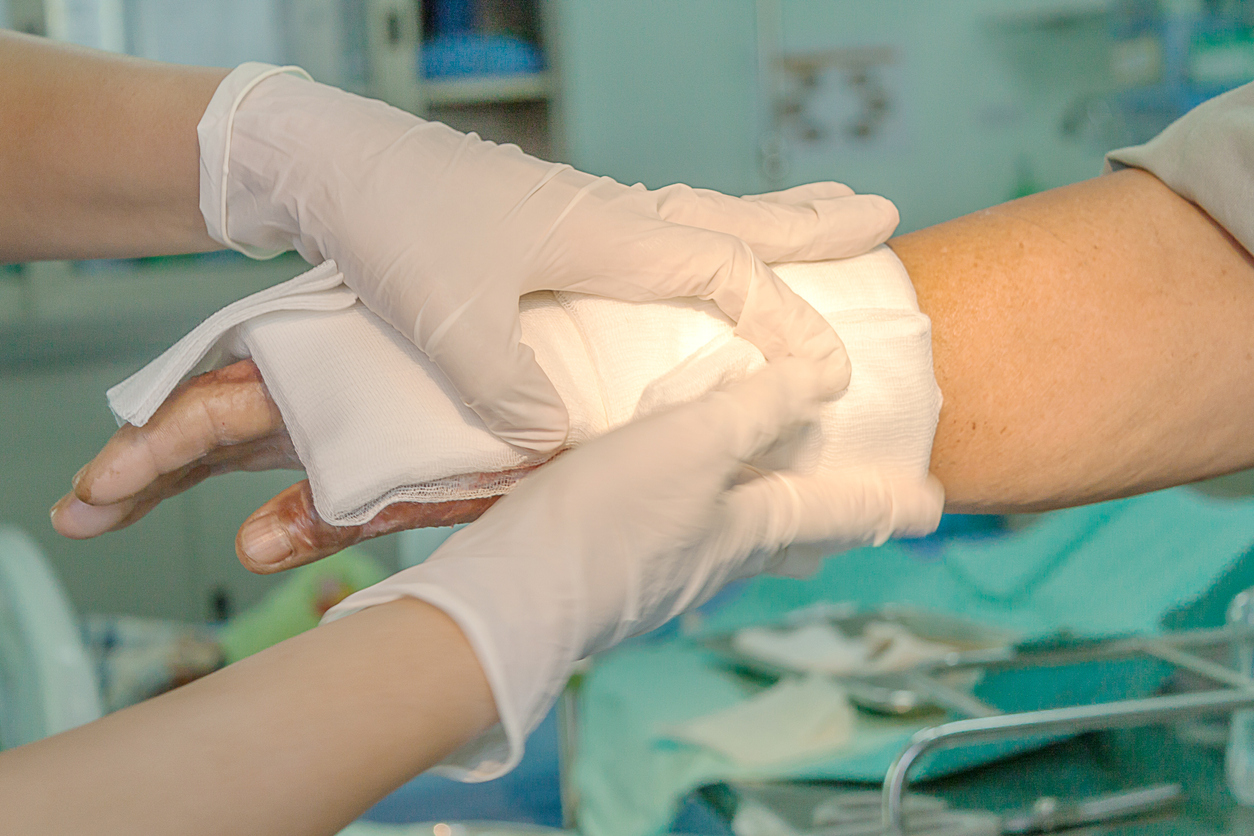
Rinse the burn in cool water. Gently pat it dry with sterile gauze or let it air dry. Apply an antibiotic cream with a sterile object, such as a cotton swab or sterile tongue depressor.
Be aware that many people are allergic to bacitracin, a type of over-the-counter antibacterial ointment. Avoid using this product if you may be allergic. Cover the wound with a clean non-stick bandage and sterile gauze. Change the bandage daily.
Use a Silicone Product
Cover the wound with silicone tape, gel, or sheets. Research shows that silicone first-aid coverings may limit scarring.
If no silicone tape or gel is available, cover the wound with petroleum jelly. It can keep the wound moist and prevent scabbing. Wounds that scab can get itchy and may take longer to heal.
Avoid Scratching
Healing burns can feel itchy and irritated, especially if scabs start to form. Picking or scratching scabs can cause bleeding and more irritation. Touching your burn may also introduce bacteria and lead to infection. If a burn gets infected, it will take longer to heal and may develop worse scars. Also, do not pop or pick at any blisters that may form.
Avoid Movement
Avoid moving the burned area. Moving a scar can cause it to become thicker or wider. Use a sling, crutches, or other adaptive devices that may help limit the use of that area or extremity.
An exception to this recommendation is stretching. Your doctor may provide instructions for stretching the burn area to help avoid skin tightening.
Follow All Medical Recommendations
Above all, always follow your doctor’s orders for the best results. Some burns need stitches. When stitches are necessary, the doctor will provide a special set of care instructions, and you may need to schedule a return appointment for stitch removal.
Treatments, such as the following, may be recommended:
- Cryotherapy
- Laser therapy
- Chemical peels
- Intralesional steroid injection
Combining treatments may provide the best success for preventing or minimizing scars.
Reach ut to Our Law Office for Further Assistance
Even mild burns can take several weeks or months to heal. Depending on the circumstances, burn victims may be unable to work while they are recovering. Medical bills and other costs can quickly skyrocket.
You could be eligible to receive financial compensation to cover medical costs, lost wages, and other expenses related to a burn injury. Call our Dundalk personal injury lawyers at WGK Personal Injury Lawyers to schedule a free consultation about your case.
Contact the Baltimore Law Firm of WGK Personal Injury Lawyers Today For Help
For more information contact the Baltimore personal injury law firm of WGK Personal Injury Lawyers to schedule a free initial consultation.
WGK Personal Injury Lawyers
14 W Madison St, Baltimore, MD 21201, United States
(410) 837-2144
WGK Personal Injury Lawyers – Dundalk Office
7329 Holabird Ave Suite 3, Dundalk, MD 21222
By appointment only
(410) 970-3080
WGK Personal Injury Lawyers – Largo Office
1401 Mercantile Ln Suite 500-M, Largo, MD 20774
By appointment only
(410) 837-2144