




WGK Personal Injury Lawyers | April 2, 2026 | Car Accidents
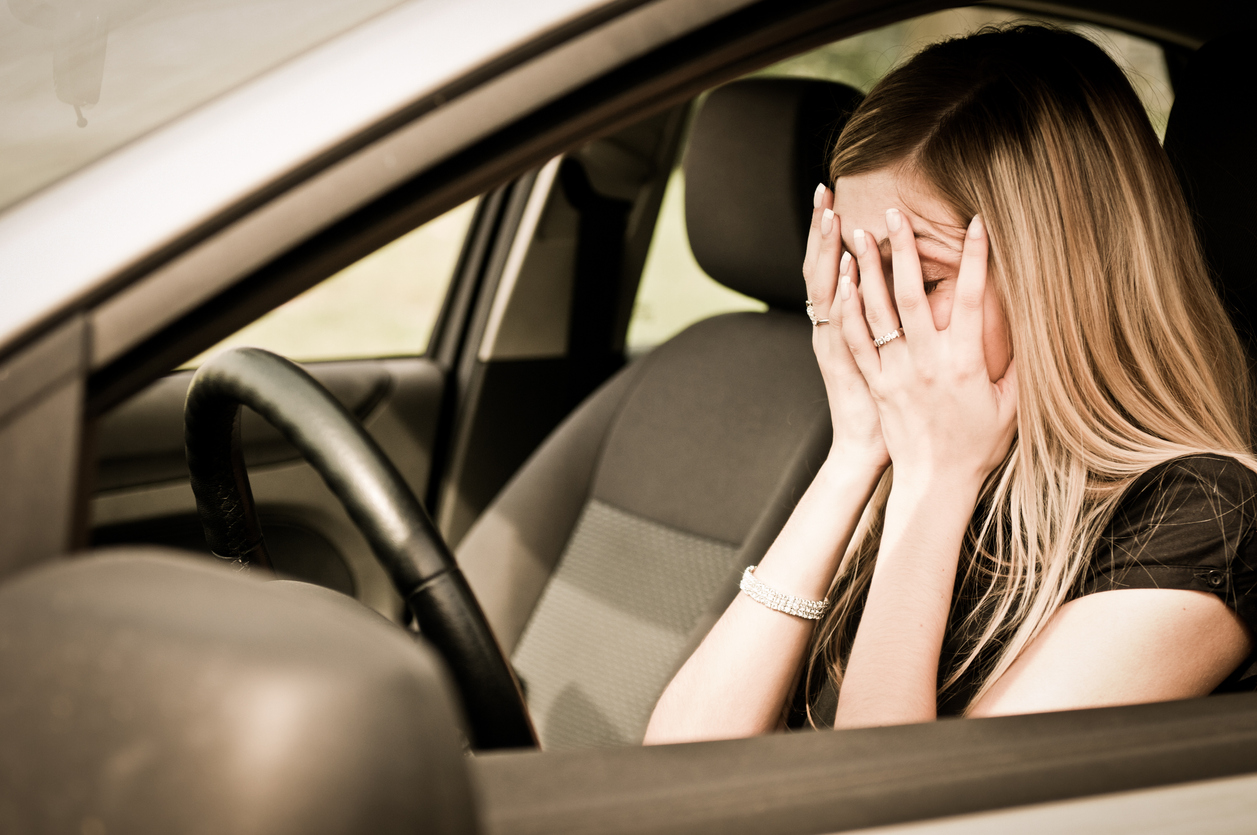
For many people, getting behind the wheel is second nature. But for others, driving or even riding in a vehicle can trigger intense fear and anxiety. This condition, known as vehophobia, is more common than you might think, especially among individuals who have experienced a serious car accident.
If you feel overwhelming fear when it comes to driving, understanding vehophobia is the first step toward recovery. Knowing your legal options after a crash may also be part of the healing process.
Vehophobia Explained
Vehophobia is a type of specific phobia characterized by a persistent and irrational fear of driving or being in a vehicle. While some nervousness behind the wheel is normal, vehophobia goes beyond typical anxiety and can interfere with a person’s daily life.
People with vehophobia may avoid:
- Driving on highways or busy roads
- Riding as a passenger in a car
- Traveling long distances
- Situations where they feel they lack control over a vehicle
In severe cases, individuals may stop driving altogether, impacting their independence, employment, and quality of life.
What Causes Vehophobia?
Vehophobia often develops after a traumatic event, particularly an auto accident. Even if the crash occurred years ago, the emotional impact can linger.
Common causes include:
- Being involved in a serious or high-speed collision
- Witnessing a traumatic accident
- Experiencing injuries or seeing others injured in a crash
- Panic attacks while driving
- Generalized anxiety or PTSD
For many accident victims, vehophobia is closely tied to post-traumatic stress disorder (PTSD). The brain associates driving with danger, triggering fear responses even in safe situations.
What Are the Symptoms of Vehophobia?
Vehophobia can present both emotional and physical symptoms, especially when a person is faced with driving or riding in a vehicle.
These may include:
- Rapid heartbeat or chest pain
- Shortness of breath
- Sweating or trembling
- Dizziness or nausea
- Panic attacks
- Avoidance of driving situations
- Intrusive thoughts or flashbacks of an accident
Because these symptoms can be intense, many individuals go to great lengths to avoid driving altogether.
How Vehophobia Can Affect Daily Life
Vehophobia doesn’t just impact your ability to drive; it can affect nearly every aspect of your life.
For example, someone with vehophobia may struggle to:
- Commute to work or attend school
- Run errands or attend appointments
- Maintain social relationships
- Travel independently
In areas like Dundalk and throughout Maryland, where driving is often essential, vehophobia can create significant limitations. Over time, this can lead to isolation, financial strain, and reduced overall well-being.
Can Vehophobia Be Treated?
Yes. Vehophobia is treatable, and many people are able to regain confidence behind the wheel with the right support.
Common treatment options include:
- Cognitive behavioral therapy (CBT): Helps reframe negative thought patterns
- Exposure therapy: Gradual, controlled exposure to driving situations
- Medication: In some cases, anti-anxiety or antidepressant medications may help
- Relaxation techniques: Breathing exercises, mindfulness, and stress management
Recovery takes time, but with consistent effort and professional guidance, many individuals see meaningful improvement.
The Link Between Car Accident Claims and Vehophobia
If your vehophobia developed after a car accident, you’re not alone. Emotional trauma is a real and valid consequence of a crash, even if physical injuries have healed.
In some cases, accident victims may be entitled to compensation not only for physical injuries but also for:
- Emotional distress
- Psychological trauma
- Therapy or counseling costs
- Loss of enjoyment of life
These non-economic damages can be an important part of a personal injury claim, especially when conditions like vehophobia interfere with your daily life.
When to Consider Legal Help After a Crash in Maryland
If your fear of driving stems from an accident caused by someone else’s negligence, it may be worth exploring your legal options. A personal injury lawyer can help you recover compensation for both the physical and emotional toll of the crash.
An experienced attorney can:
- Evaluate your case
- Gather evidence of emotional and psychological harm
- Work with medical professionals to document your condition
- Pursue fair compensation on your behalf
Taking legal action may also provide a sense of closure and accountability, which can support your overall recovery.
Contact WGK Personal Injury Lawyers for a Free Consultation With a Dundalk Car Accident Attorney
Vehophobia can be life-altering, especially when it develops after a serious motor vehicle accident. We understand how deeply a crash can affect your life, including the emotional challenges that follow. If your vehophobia is tied to an accident caused by someone else, our team can help you pursue compensation for the full impact of your injuries.
For more information, contact the car accident law firm of WGK Personal Injury Lawyers to schedule a free initial consultation.
WGK Personal Injury Lawyers
14 W Madison St, Baltimore, MD 21201, United States
(410) 837-2144
WGK Personal Injury Lawyers – Dundalk Office
7329 Holabird Ave Suite 3, Dundalk, MD 21222
By appointment only
(410) 970-3080
WGK Personal Injury Lawyers – Largo Office
1401 Mercantile Ln Suite 500-M, Largo, MD 20774
By appointment only
(410) 837-2144