




WGK Personal Injury Lawyers | December 26, 2025 | Car Accidents
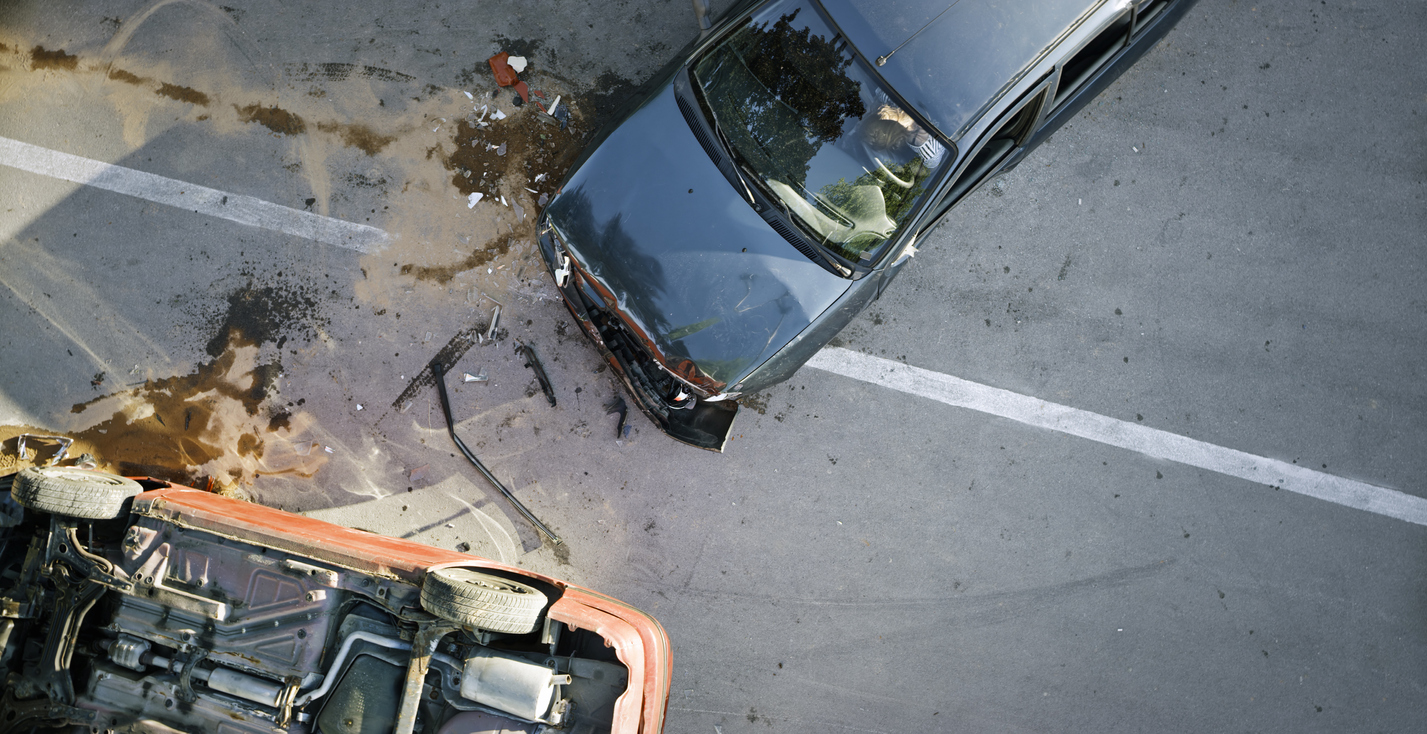
Baltimore, Maryland’s dense street grid, aging infrastructure, and heavy commuter traffic mean car crashes are a daily reality. City and state data show that intersections account for roughly 40% of crashes. They account for more than half of all traffic injuries in Baltimore.
While collisions happen all over the city, accidents are concentrated around the downtown area, with most fatalities happening outside of the downtown core. A handful of crossroads consistently stand out as hot spots for serious wrecks.
Below are the five most dangerous intersections identified in the Baltimore City Strategic Highway Safety Plan (SHSP).
1. W Franklin St & N Payson St – West Baltimore
This West Baltimore intersection on the US-40 corridor is the city’s most dangerous. Wide, multi-lane roadways carry fast commuter traffic through a residential neighborhood. Recent crashes include a fatal hit-and-run of a bicyclist.
Residents have long complained about the danger of this intersection and the frequency of crashes.
2. Orleans St (U.S. Route 40) & Ensor St – Old Town, East Baltimore
Orleans Street (U.S. Route 40) and Ensor Street, just east of downtown, rank second on Baltimore’s list of intersection crash hot spots. This is a complicated junction on a major east–west arterial. There are multiple turns and frequent congestion. Confusing lane options make last-minute merges common.
Crash heat maps show elevated injury totals along the eastern segment of Orleans Street.
3. W North Ave & N Fulton Ave – West Baltimore
The West North Avenue and North Fulton Avenue intersection sits along the North Avenue corridor, one of the city’s key focus areas for serious crashes. Overall, this intersection ranks third among Baltimore’s intersection crash hot spots. It’s even more troubling for people walking and biking. It ranks second on the list of intersection hot spots for pedestrian accidents and bicycle crashes.
North Avenue carries fast, heavy traffic. Fulton ties surrounding rowhouse blocks to schools, transit stops, and small businesses. Busy bus routes, congestion, and people crossing mid-block all contribute to the danger. These hazards create conflict between through-traffic and vulnerable road users.
Advocacy groups have long urged safety upgrades and protection for pedestrians and cyclists.
4. S Monroe St & Washington Blvd – Southwest Baltimore
This Southwest Baltimore intersection ranks fourth on the city’s list of intersection crash hot spots. Washington Boulevard is a busy arterial, and Monroe connects nearby neighborhoods to downtown.
At this junction, several approach lanes, staggered signals, and turning traffic from every direction create many potential conflict points. Local crash reports describe serious multi-vehicle collisions at this intersection.
5. W North Ave & N Howard St – Station North Arts & Entertainment District
The intersection of West North Avenue and North Howard Street lies at the edge of the Station North Arts and Entertainment District. This area is packed with transit riders, students, workers, and nightlife visitors. Baltimore ranks this junction fifth overall and for pedestrian and bicycle intersection crashes.
Traffic on North Avenue moves quickly across several lanes. Howard Street carries buses, light-rail tracks, and local traffic toward downtown. With frequent turning movements, complex lane markings, and heavy foot traffic, it’s easy for drivers to overlook someone in a crosswalk or on a bike.
Even local guides remind visitors to “mind the traffic” when crossing here.
Why These Intersections Are So Dangerous
Although these five intersections look different, they share common features. They sit on wide arterial roads with multiple lanes, complex turning patterns, and high traffic volumes. Many lack generous refuge islands or comfortable, protected crossings for people on foot or on bikes.
Baltimore’s safety plan shows that crashes at these intersections are more likely to result in serious injuries and fatalities. Risky driver behavior – speeding, distracted driving, and running red or yellow lights – adds to the danger.
How To Stay Safe at Dangerous Intersections
You can’t change the design of these intersections yourself, but you can reduce your risk when you travel through them:
- Slow down as you approach
- Avoid last-second lane changes or turns
- Put the phone away and avoid distractions
- Scan for people in crosswalks and bikes in adjacent lanes
- Never assume every driver will stop just because you have the right of way
Until long-term safety improvements arrive, extra caution at these high-risk locations can help prevent a life-changing crash.
Protecting Yourself in Baltimore City
Intersections account for roughly 40% of crashes and more than half of traffic injuries in Baltimore, especially along wide, high-traffic arterial roads with complex turning patterns. If you’ve been injured in Baltimore, MD, call WGK Personal Injury Lawyers today.
We offer a free consultation with an experienced Baltimore city car accident lawyer.
For more information contact the Baltimore car accident law firm of WGK Personal Injury Lawyers to schedule a free initial consultation.
WGK Personal Injury Lawyers
14 W Madison St, Baltimore, MD 21201, United States
(410) 837-2144
WGK Personal Injury Lawyers – Dundalk Office
7329 Holabird Ave Suite 3, Dundalk, MD 21222
By appointment only
(410) 970-3080
WGK Personal Injury Lawyers – Largo Office
1401 Mercantile Ln Suite 500-M, Largo, MD 20774
By appointment only
(410) 837-2144